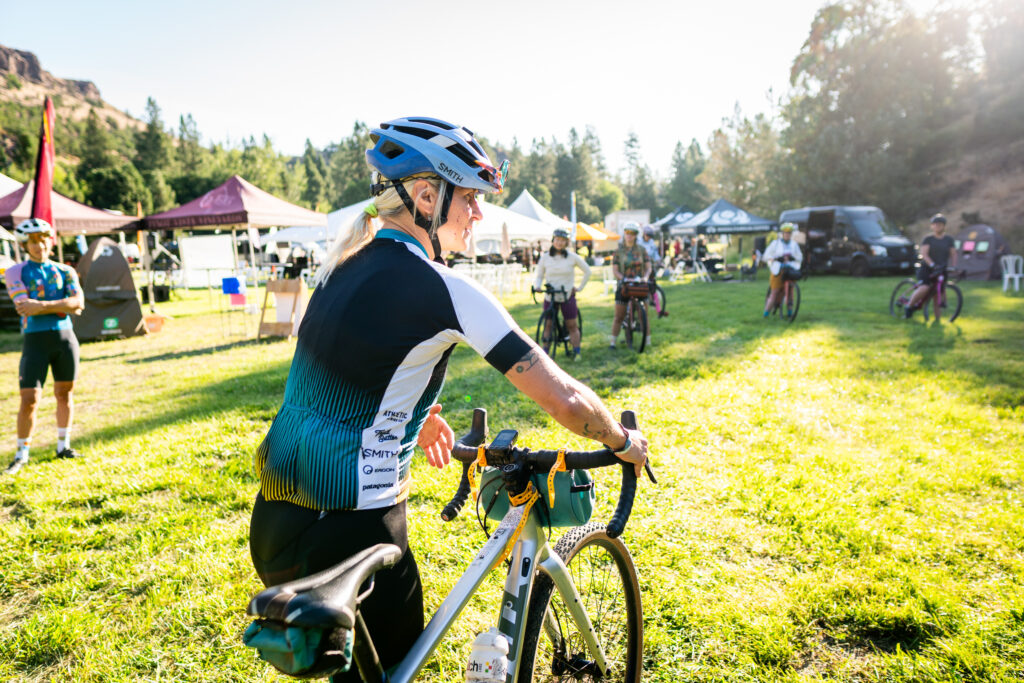
As riders look ahead to Joyride, I wanted to take a moment to highlight some bike handling tips that could be helpful on the gravel route planned on day one. The route features a gravel sector that has both about a five mile climb and five mile descent, so let’s talk about some helpful things to keep in mind when climbing and descending on gravel. We’ll go into these in more depth at the clinic and ride!
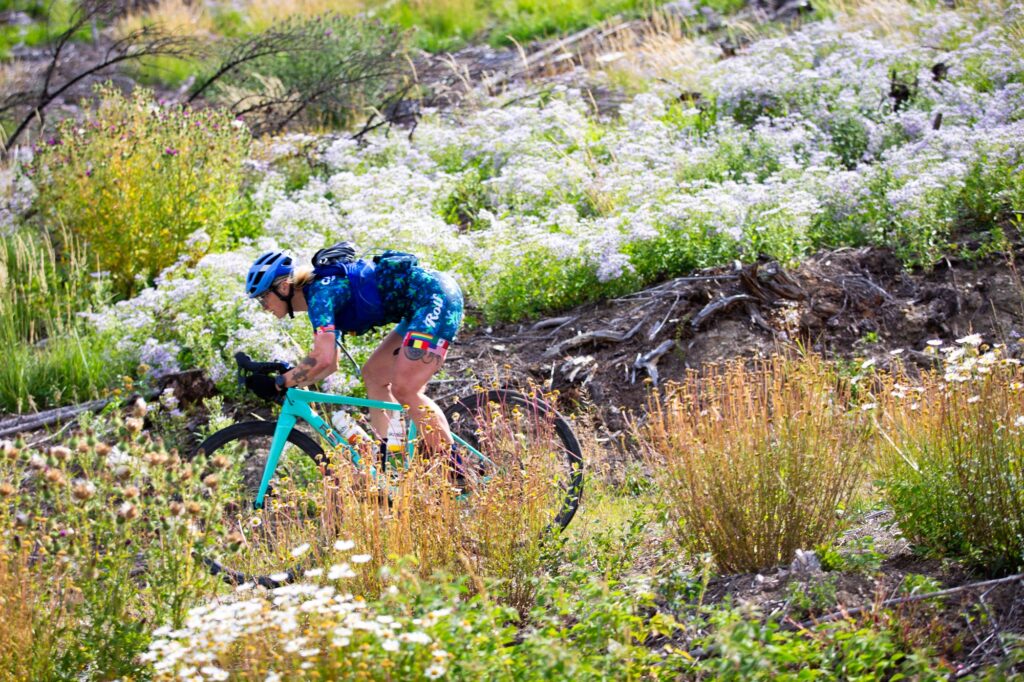
Climbing: Have you ever been on a gravel climb and had your front or rear wheel spin out? It can be pretty nerve wracking and can make you lose your pedaling rhythm instantly and maybe even have to put a foot down. Typically this happens because there isn’t enough weight on either the front or rear of the bike so the tire loses its ability to retain traction. Fortunately we have two really helpful sources of ballast to help rebalance your weight distribution across the fore and aft of the bike in these situations. Not sure what ballast means? Merriam-Webster has us covered!
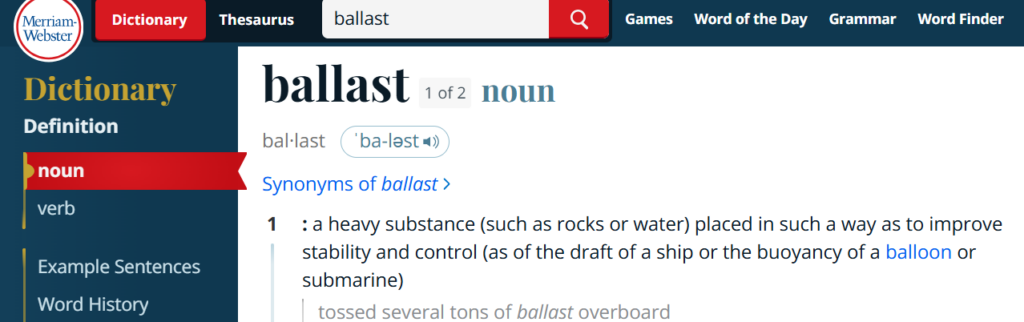
In this case, the “heavy substance” I’m referring to is your head or your bum. So when you start to feel the spin in your front tire, you can either hinge more at your hips to bring your head closer to the handlebars, or shift your hips forward along the saddle to bring your bum forward… and you can also do a combination of the two to result in a slight micro adjustment rebalancing weight forward towards your front tire. The same holds true for when the rear tire is spinning… a slight shift of your weight back by elongating your back or raising your head slightly can be all you need to get that back tire back in traction.
Descending: Do you get to the top of climbs and then immediately shift into panic mode because you have to descend a long winding road and all you want to do is curl up on the side of the road because the speed, bumps, loose terrain, and turns scare you? You are not alone! We’ll talk about body position while descending here today but know that there is so much more to explore about braking, cornering, and line choice to name a few to become a more confident descender. We’ll build off of the prior Cycle Oregon blog Be a Boxer for Better Descending. In that blog we discuss the benefits of descending with our hands on the hook portion of the handlebar drops. If this isn’t something you’ve tried before, maybe this is your sign to give it a go. Perhaps get used to being in this position when you’re on flatter terrain so that it isn’t as unfamiliar on that scarier descending terrain.
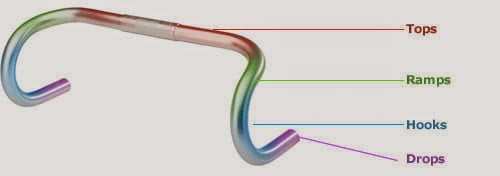
I like to suggest this position for a whole host of reasons, but safety is pre-eminent when descending on gravel, especially when dappled sunlight. The position of the bar will do a great job of getting your hands back on the hooks and in control of your bike if you happen to ride over an unanticipated bump. Resting your hands on the tops, brake lever hoods, or ramps, gives you no security bar helping you to get back on the bar and in control.
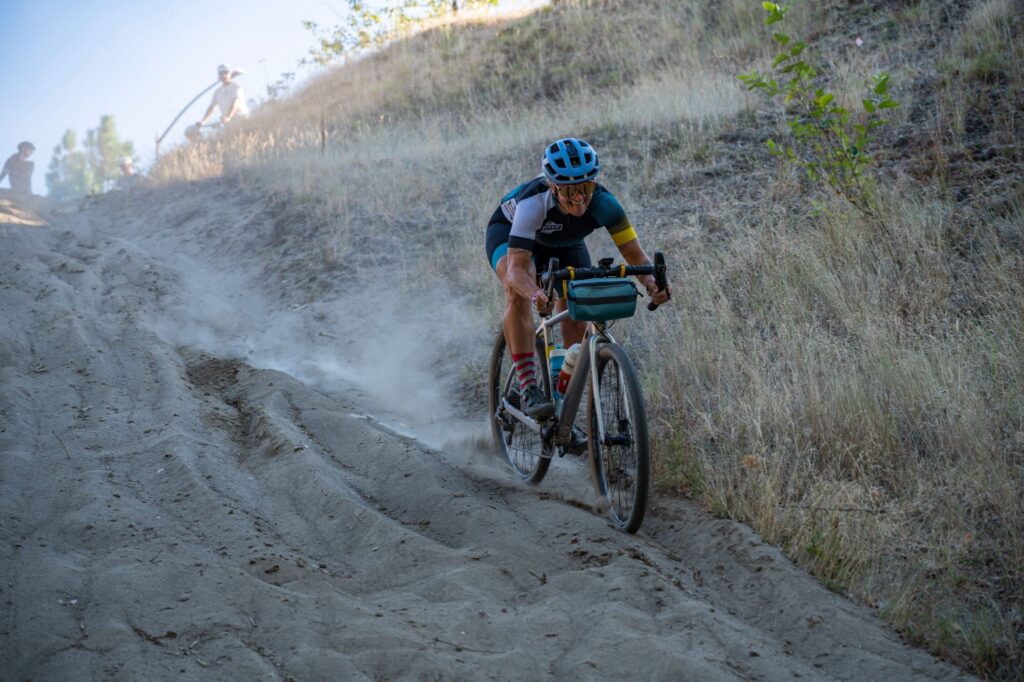
In addition to nestling your hands into this part of the handle bar when descending, there are options for what to do with the rest of your body. Descending gravel while seated may work in many instances but if the terrain gets very uneven, you can improve your experience, balance, and control by standing on your pedals, engaging your core, hinging at the hips, slightly bending to your knees, and dropping your heels. This position will make you most prepared to absorb any big bumps, washboard, etc. without bucking your upper body all over, potentially putting you out of balance. The mantra of “light hands, heavy feet” applies here as well, with a looser grip on the handlebars to allow the bike to bounce around underneath you, while you bend your arms and legs to absorb the bumps. Dynamic surfaces require dynamic movements… your gravel may or may not have some degree of suspension but your body definitely does: use those joints!
Join us for this and so much more at our Joyride gravel clinic! And as a preview of other coming attractions, we’ll also be coaching bike handling clinics at Rally this year as well! Let’s ride!
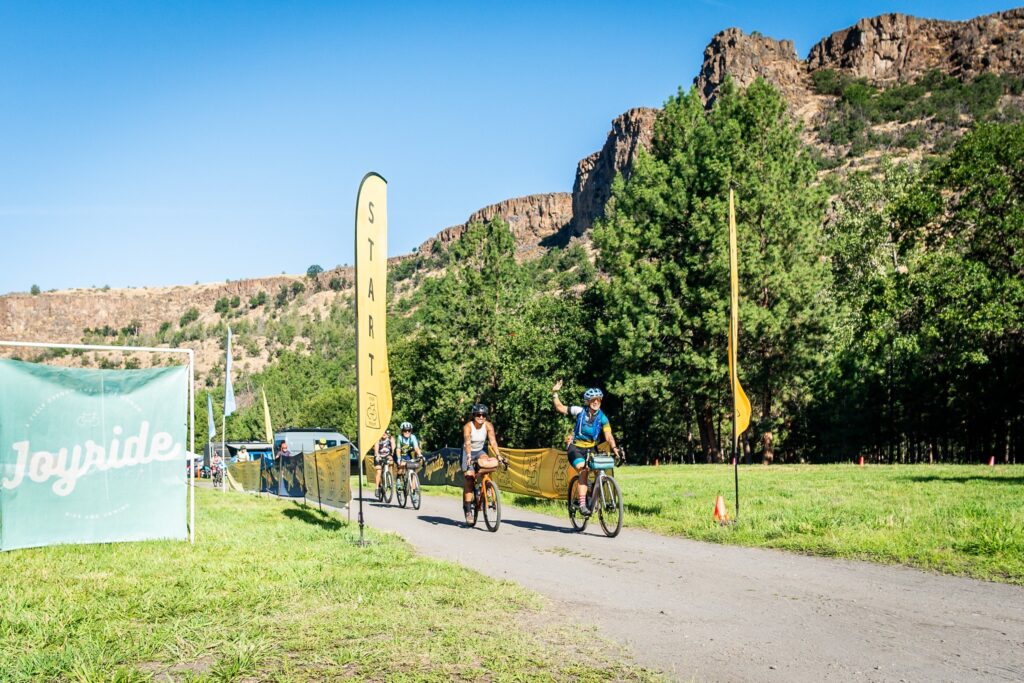
Annick Chalier is an elite-level cyclist, PMBIA Level 1 certified mountain bike and gravel coach, and the self-proclaimed “Head Unicorn-fun inspirer” of the Pacific Northwest. Calling the Columbia River Gorge home since 2019, Annick has an extensive racing background that spans professional road racing, gravel stage race victories, cyclocross, and endurance mountain biking.
For Annick, riding is about finding a flow state, connecting with nature, and “hootin’ and hollerin'” down the trail with friends. As an Endurance Coach for Special Blend and an integral part of the Brave Endeavors team since 2022, she loves helping riders of all ages unlock newfound confidence on two wheels. Whether she’s coaching kids on mountain bikes or adults on gravel adventures, Annick’s passion for teaching is infectiously powerful.