Spurcycle is renowned for their bike bell and unique take on the less glamorous, but oh-so-important, accessories cyclists count on for confident riding. A comment on a recent Dustin Klein video report from our GRAVEL event speaks to how influential the brand is, “I love seeing a rider talk about their carbon bike with carbon hoops and electronic shifting and the Spurcycle bell is their favorite part.”
Spurcycle began in San Francisco but now has its headquarters and production facility in Bend, Oregon where co-founder Nick Slone lives. He and his brother, Clint, built the company from their childhood experiences on the bike and an early life working in bike shops. Cycle Oregon caught up with Nick in between production runs to learn more about the company and that lovely bell sound. Thank you to everyone on the team at Spurcycle.
Where did this begin; what’s the Spurcycle origin story?
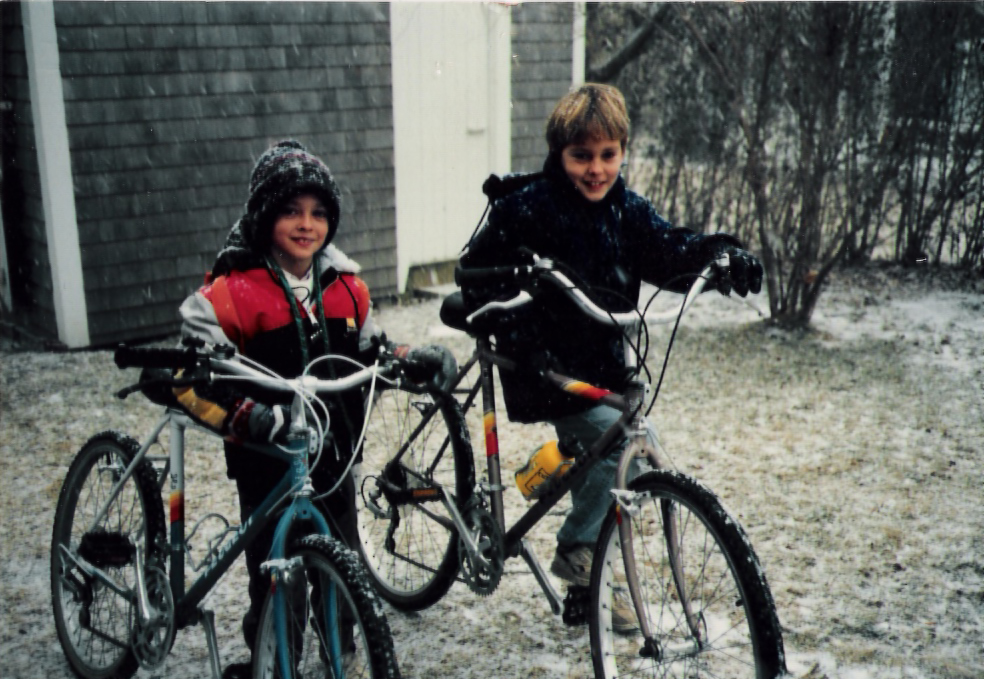
We have been lifelong product geeks and grew up working in a family bike shop, Edgartown Bicycles in Massachusetts. My brother, Clint, first started experimenting with an idea for bicycle grips in 2011. We were roommates in San Francisco at the time, both busy with day jobs but also day dreaming about doing our own thing. Clint was educated at Stanford in product design and regularly challenged while working on medical device projects. I’d spent my college and career years working in operations in the bike and outdoor equipment space. By 2012, we felt equipped to take a leap of faith and agreed to start Spurcycle together, an attempt to make our own rides better.
Spurcycle is renowned for its bell tone, how long did it take you to achieve the sound you wanted?
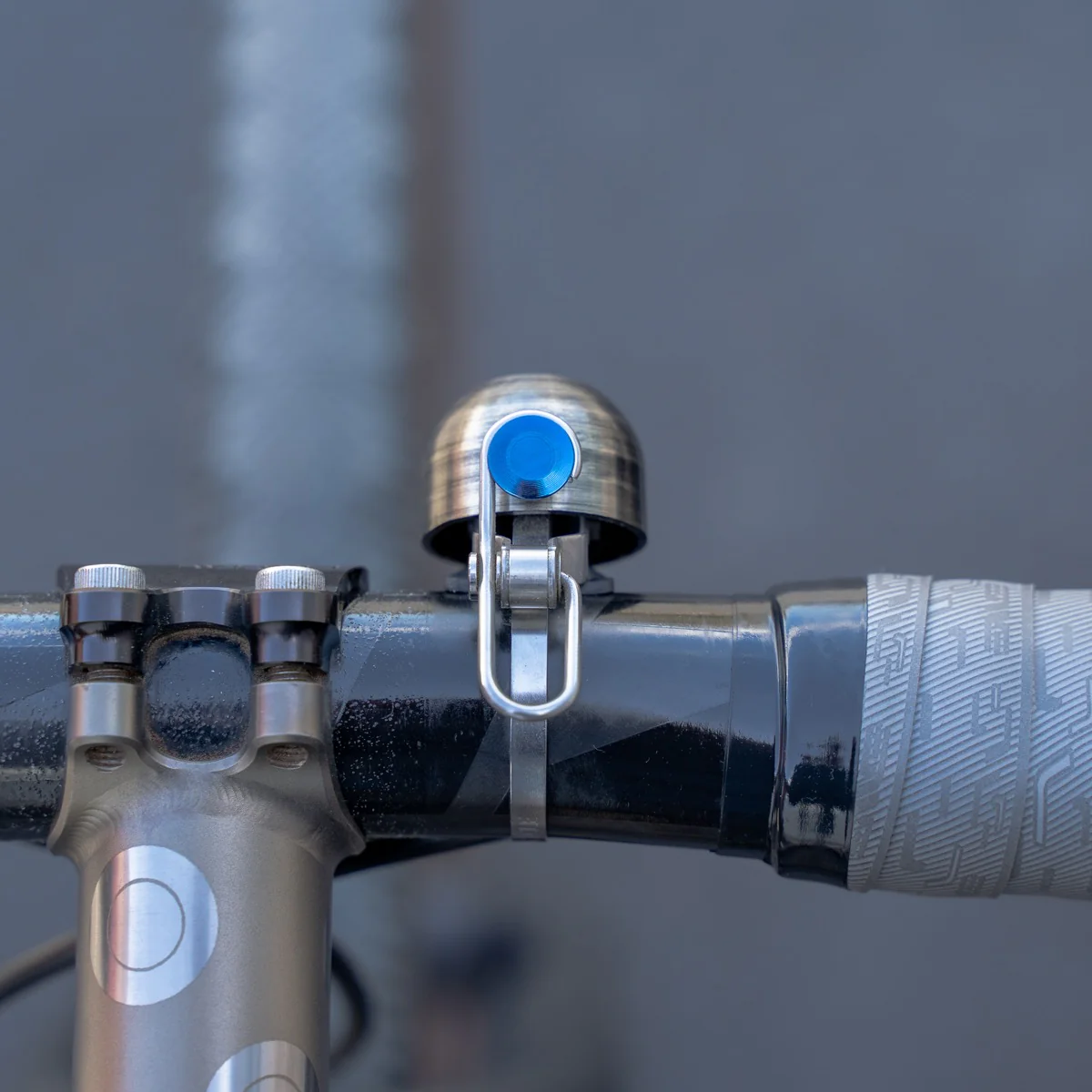
It’s not much of an engineering flex, but our sound is honestly something we stumbled upon. We designed our Original Bell to be small and integrate well when mounted to a 31.8 dropbar. Such a small Dome has less sound potential, but our expectations for performance were high. What good is a bell that looks great but isn’t effective?
In looking for manufacturing partners in our earliest days, we discovered a bell maker that had an old forming tool which very closely matched our target Dome geometry. It was among factory assets that had been damaged by a fire and was likely to be scrapped in continued cleanup. Instead, they refurbished it for us and drew some sample Domes. Yellow brass is typical for a bicycle bell, but we were curious to try other materials. Ultimately we settled on nickel brass, because it sounded better than anything else and matched the silver aesthetic of the stainless steel we use for other parts. We explored material thickness and were able to get longer resonance using more mass. All this experimentation went pretty smoothly and we were happy to leverage the expertise of our manufacturing partner.
The final challenge, however, was figuring out how to hold the Dome to make sure it could ring fully once impacted. You’ve got to isolate the Dome and make sure that when you hit it, the “hammer” withdraws immediately from the surface. You also can’t simply paint it black or the sound gets damped. What we achieved set a new standard, the result of determined exploration and high expectations. After we went live with the 2013 Kickstarter campaign, thousands of backers signaled plenty of pressure to figure out all the production details and get them right.
What does “focused intent” mean as practice and how does Spurcycle use that to deliver on its promise of “community driven” as a core value?
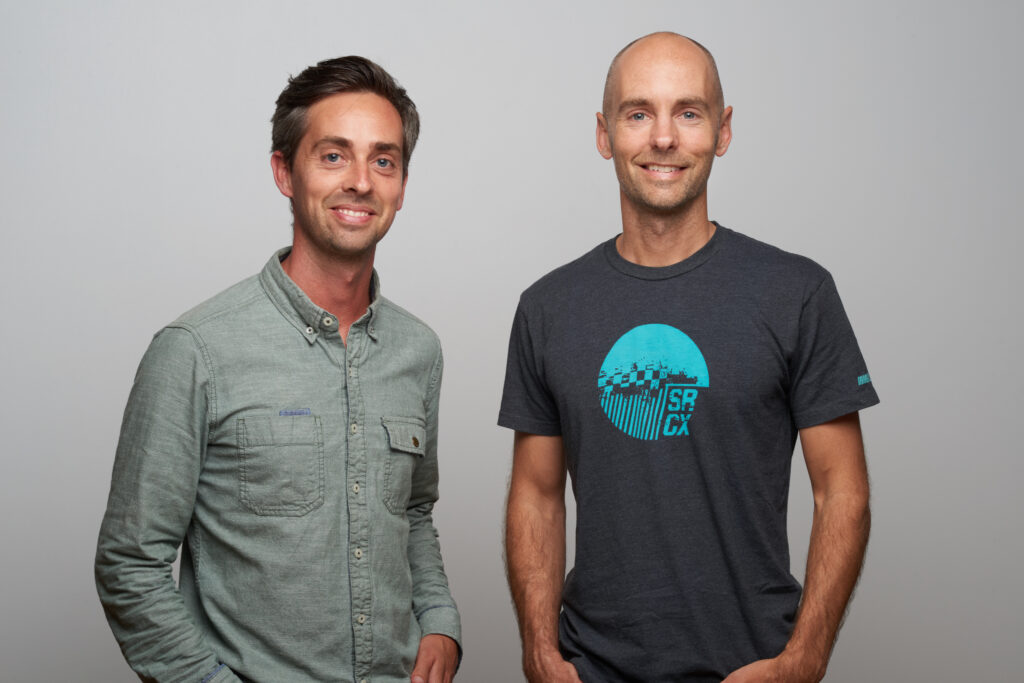
Our team isn’t much bigger than it was when Clint and I started. Our company has totaled just 6-8 people for the last 10 years. Our goal has never been to build a big company. Rather, it’s simply to work in a space that we care about, on projects we care about, and to influence our community toward better choices—to “spur” more cycling. Despite being clever and nimble, we’ll never out-engineer industry giants. Not every aspiration can be a priority either, but there is strength in focus. It’s nice to be surrounded by bike geeks at work. We all relate easily to the customer needs we see and hear. Often I’ll be lined up at the start of a gravel event and recognize Spurcycle bells ringing through the crowd. It feels good to see a Spurcycle mirror on a cargo bike parked at the local farmer’s market. Our designs are informed by a global cycling community, but our drive comes from the community we live within. When people make the choice to pedal rather than drive, we often get to be part of that experience.
How has the move to Bend improved the company and what do you find special about the community there?
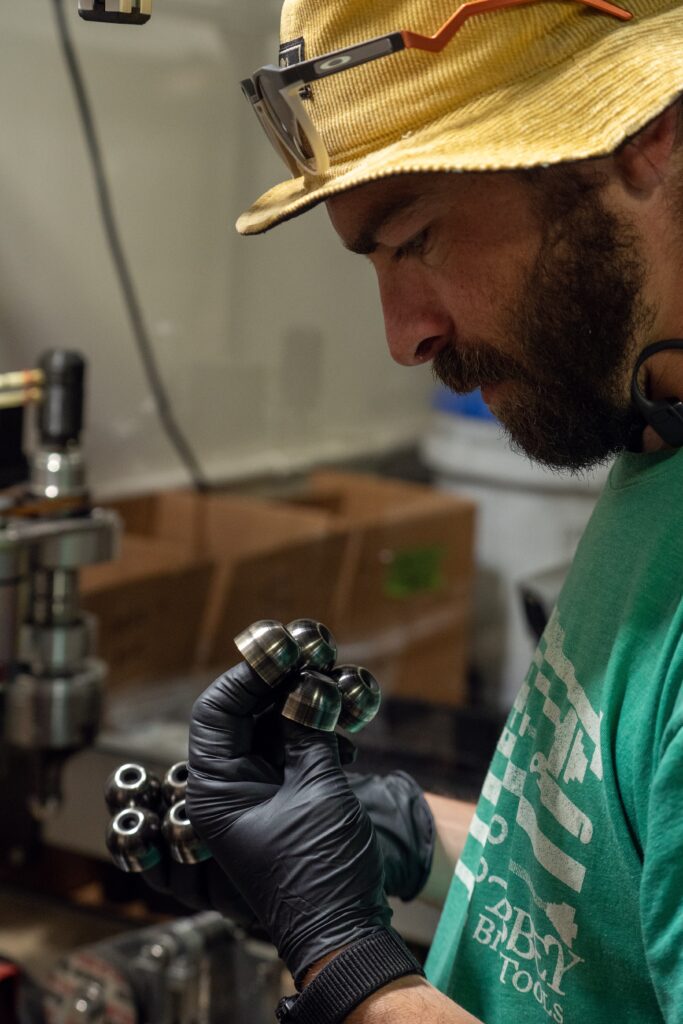
Clint and I grew up in a small community. Though my decade in San Francisco was hugely valuable and forever memorable, I came to Bend in 2018 to slow down. I’d looked at a few towns in Oregon, Washington, Idaho, and even Colorado. I’d been through Bend a few times since 2010. It’s an easy place to start calling home, a place that’s easy to get around by bike. It’s not that Bend is a bigger bike town than San Francisco, but there is a nice network of entrepreneurial peers here. Companies like Robert Axle Project and Abbey Bike Tools are neighbors now. Bend is also a place where the impact of a small business can be felt. It’s a kind of Goldilocks town in that way, big enough when recruiting new employees but small enough to feel tangible when we engage with Bend Bikes or other community organizations.
What brought you to bikes & cycling and what keeps you interested?
I don’t think I’ve ever heard someone say, “I used to be really into bikes…” Once you’re in, you’re in. We were kids like any, getting around on a cheap pair of BMX bikes growing up in Florida. Mom got remarried in 1988 and we moved to Edgartown. Our new stepfather was a professional cyclist who opened his first bike shop in 1974. We’ve been heavily influenced by cycling culture and business since elementary school. In a sense, Spurcycle started in 1990 with the founding of Edgartown Bicycles. That’s when we first got into the industry, sweeping floors and hanging the open sign on the way to school. Bikes have been a lifestyle ever since, not just a weekend hobby but a part of our value system and every day.
Spurcycle products have a focus on safety, how important is that in your belief about what matters in cycling?
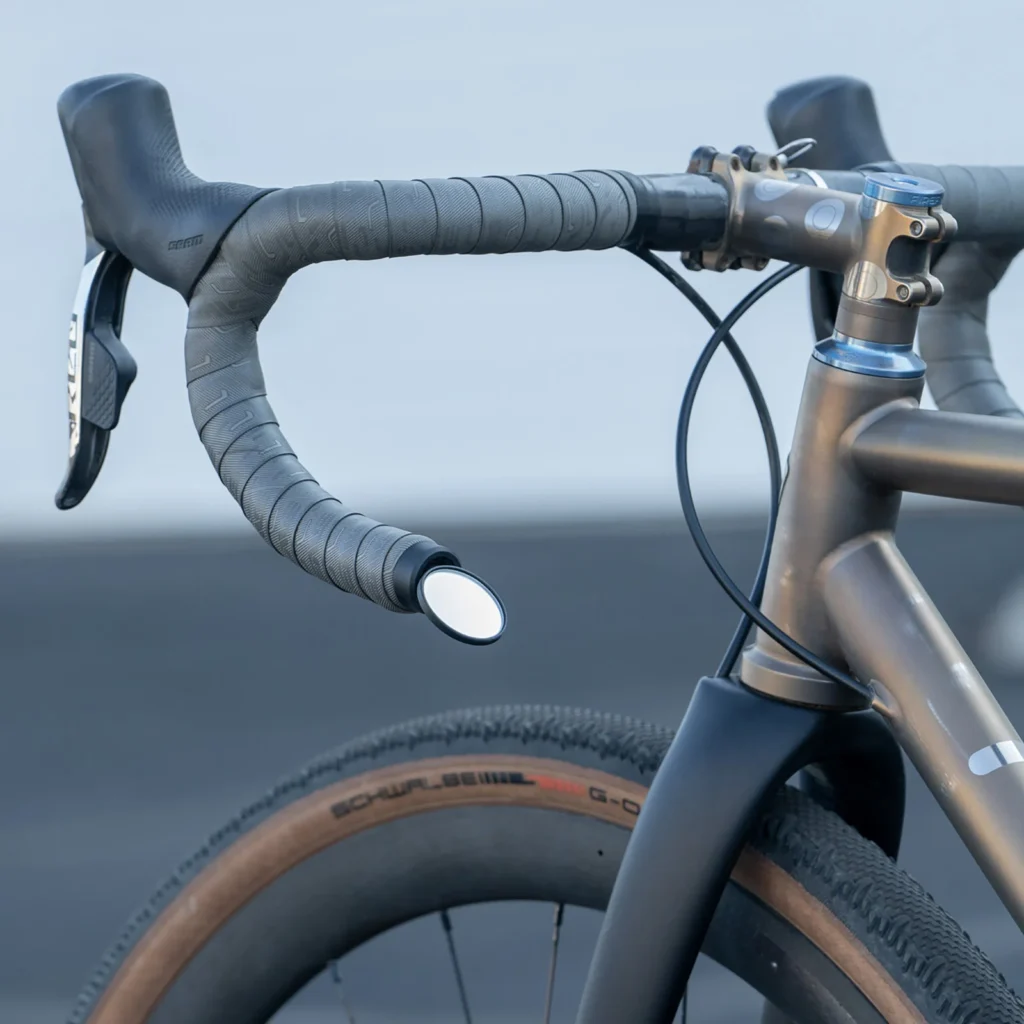
Yes, cycling can and should be safer. We care about the safety of cycling because any perception that it’s dangerous keeps some people away from its tremendous benefits. In a distributor catalog, our bells and mirrors fall into the safety accessories category, but that’s not exactly how we think of them. Our efforts in design are around improving ease of use. Getting over the Golden Gate bridge to start a road ride wasn’t especially dangerous. Without a bell, clearing a path through a chaotic multi-use environment just didn’t feel nice. It was inconvenient. We made a bell that didn’t look out of place on a really nice bike, but that easily communicates your intent in a friendly, universally recognized way. (San Francisco is an international tourist destination.)
Like we did with the bell, we are currently working to “undork” the mirror. This will not be easy to do, because the trifecta of potential benefits are not so easy to demo in-store.
- Safety is the baseline benefit. Keeping an eye on traffic is important.
- Social cohesion is less obvious but immediately noticeable once experienced. You can maintain consistent connection with your riding partner(s), because it’s effortless to frequently check on those behind you.
- Strategic advantage is a benefit that few have leveraged. Quirky cyclocross legend, Paul Curley, has dozens of national championship titles. He’s the OG of “marginal gains” and has ridden with a homemade mirror in countless races. He was a regular guest at our house when growing up. (I’m sure that means we’ve been mirror-curious for a long time.) Paul didn’t race with a mirror because it was safer but because it improved his race tactics.
Fashion is fickle and fierce, but gravel and bikepacking have opened the door a little. Are there enough mirror-curious among enthusiast riders that we can reach a tipping point? Many once fought against riding with a helmet, with long socks, now with short socks… When the functional benefits are there, fashion eventually comes around.
What are some of your favorite rides in Oregon?
My favorite rides, as a category, are those that leave from my door. The other day I rode from home to Sisters and hit McKenzie pass. Nearly half the ride to Sisters is dirt and naturally quiet. The climb to Dee Wright Observatory is mellow but stunning. Still, even with all the good riding right out the door, everyone loves an excuse to try something new. A couple weeks ago, two of us from Spurcycle did a short week of credit card style bikepacking between Portland and Eugene. It was about as good as any exotic vacation. Tech has made it so easy to explore. The ability to plan and map in detail from home has lowered the entry on adventure while the opportunity for impromptu excursions and stops along the way remain strong and tempting as ever.